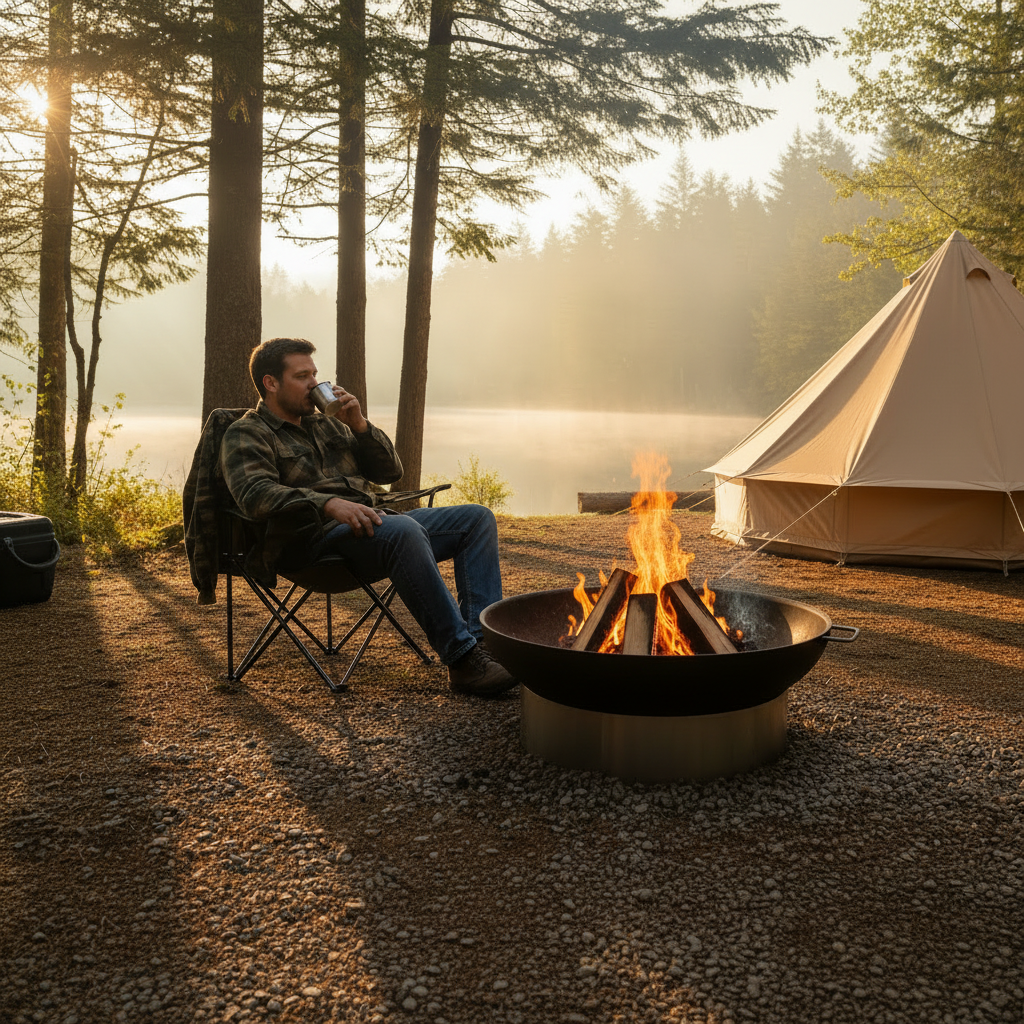
Fire Bowls
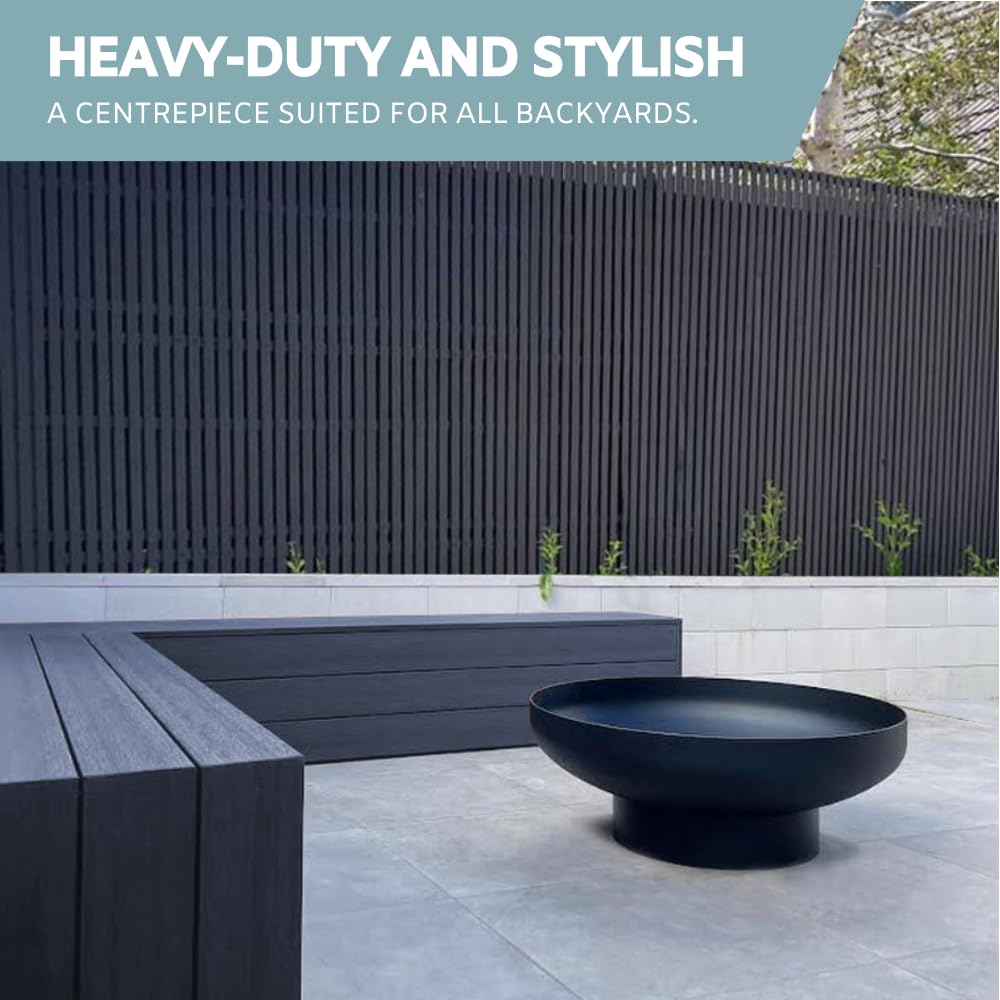
A fire bowl is the most sculptural fire feature you can put in a backyard — less structured than a fire pit table, less architectural than a linear burner, and more of a deliberate statement. Where a fire pit table anchors a seating arrangement, a fire bowl commands the space around it. Most work as standalone focal points: a large concrete or copper bowl on a pedestal at the end of a garden path, a steel bowl centered on a flagstone patio, a shallow ceramic bowl set low between outdoor sofas.
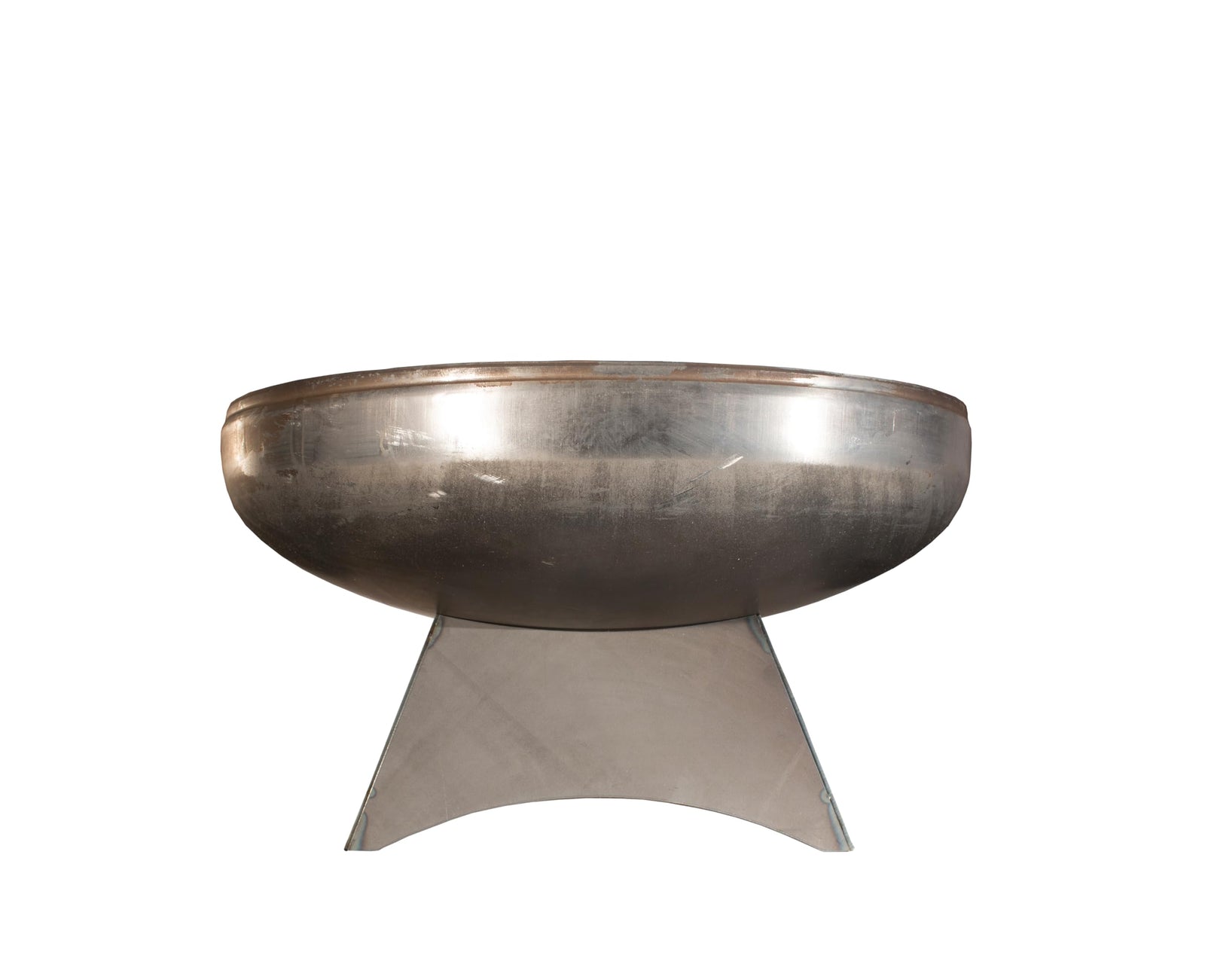
This collection covers the full range of bowl styles, materials, and fuel types. Concrete and GFRC bowls are the contemporary standard — architectural, freeze-thaw resistant, and available in sizes from 18-inch tabletop accents up to 36-inch statement pieces. Copper bowls develop a living patina over time and suit traditional or transitional outdoor spaces. Steel and corten bowls weather to a rich rust tone intentionally — the oxidized finish is part of the design. Wood-burning bowls are the most affordable entry point and deliver real campfire heat; gas and propane bowls pair with a concealed burner kit and fire glass or lava rock for an always-on, always-clean flame.
Browse by fuel type and size below, or read our Fire Bowl vs Fire Pit guide to find the right fit for your patio layout.
More Fire Features: Fire Pit Tables | D.I.Y. Fire Pit Kits | Fire Pits








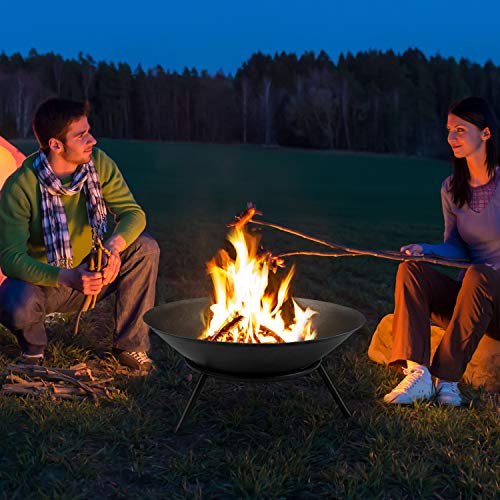


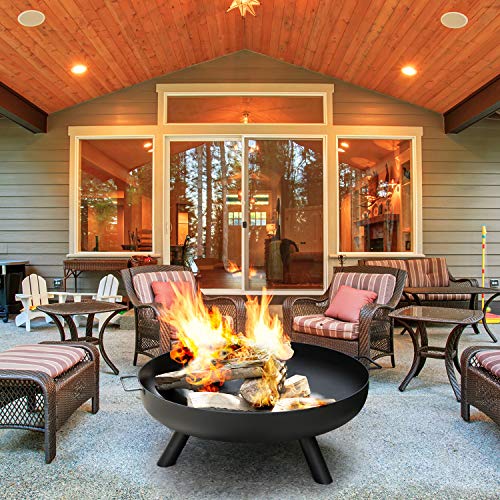


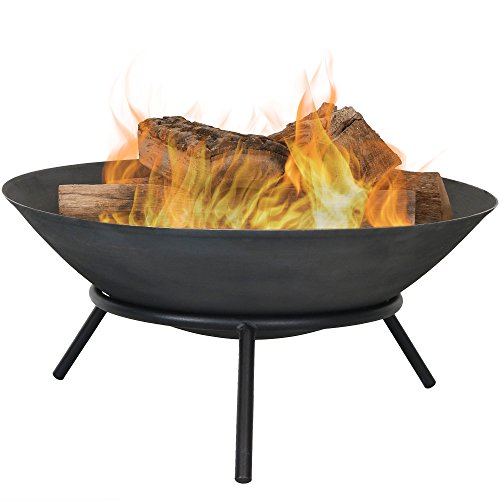


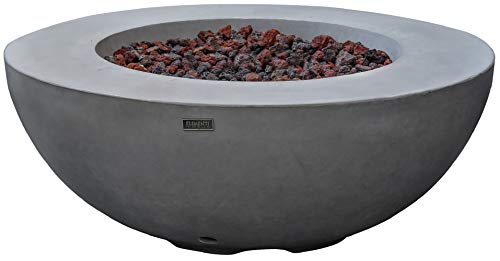


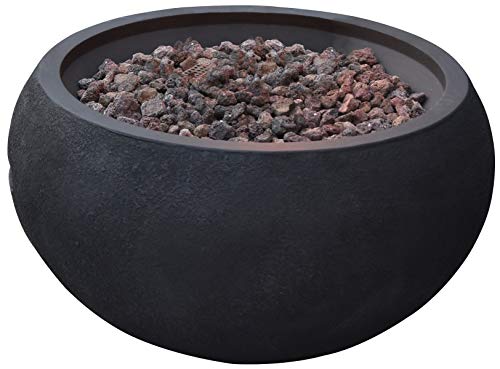





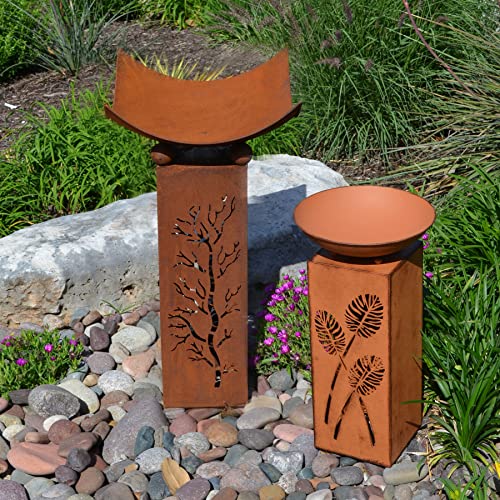


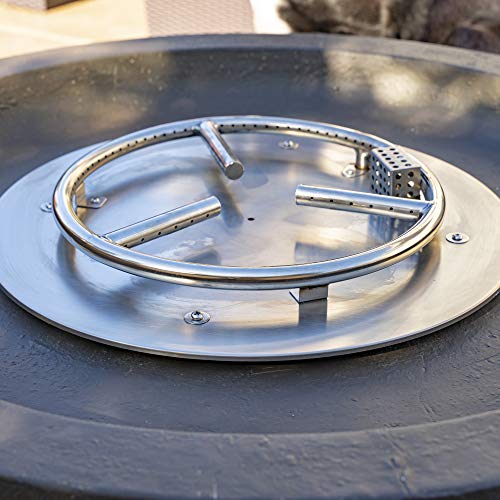


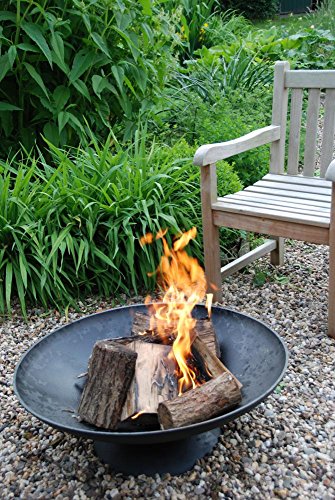

Sale


Sale


FAQ's
-
A fire pit is typically a contained structure — round, square, or rectangular — with walls that enclose the fire and often a flat ledge surrounding the burn area. A fire bowl is an open, sculptural vessel: a concave shape that holds the fire without enclosing it. Fire pits lend themselves to gathering seating arrangements because the flat ledge holds drinks and plates. Fire bowls work better as standalone focal points — garden accents, entry statements, or pool-edge features where the visual impact of the form matters as much as the function.
-
Both. Wood-burning fire bowls are the most common entry-level option — no plumbing required, just a match and dry wood. Gas and propane fire bowls use a concealed burner kit (a ring or pan burner with a key valve) installed inside the bowl, fueled by a propane line routed through the pedestal or stand, or by a natural-gas hardline if you're doing a permanent install. Gas bowls cost more upfront but eliminate ash cleanup and produce no smoke. Many of the bowls we carry are fuel-agnostic — they ship as vessels, and you spec the burner separately.
-
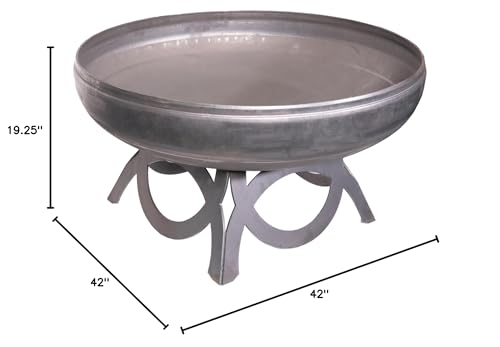
Match the bowl diameter to the viewing distance and patio scale. As a rough guide: an 18–22 inch bowl reads well up close on a small patio or tabletop. A 24–30 inch bowl is the most versatile size — visible from across a medium yard and proportional to standard outdoor seating. A 32–36 inch bowl is a statement piece — appropriate as a garden focal point in a large yard or as a pool feature viewed from 20+ feet. Anything larger typically requires a custom or commercial burner kit.
-
For gas bowls, fire glass is the most popular choice — it reflects the flame beautifully and suits the sculptural aesthetic of the bowl form. Lava rock is the traditional alternative and the most affordable. For shallow bowls with a wide opening, mixing a base layer of lava rock topped with fire glass gives depth and visual interest without using premium glass throughout. Wood-burning bowls don't use fire media — just seasoned hardwood.
-
Gas and propane fire bowls are generally deck-safe when the base provides adequate clearance from combustible surfaces — check the product listing for "deck-safe" certification. Wood-burning fire bowls are never deck-safe; sparks and embers travel unpredictably. For any fire bowl, keep a minimum 10-foot clearance from overhanging branches, wood fences, and combustible structures. On decks specifically, a heat-resistant mat under the base adds inexpensive insurance and is required by some manufacturer warranties.
-
For a portable propane setup — bowl, stand, propane tank connected by a flex line — typically no. For a permanent natural-gas installation hardlined from the house, typically yes, and the gas connection must be made by a licensed gas fitter. Permit requirements vary by municipality. The same rule applies here as with any outdoor gas feature: check local code before you run a hardline, and soap-water test every fitting before the first ignition.
About Fire Bowls