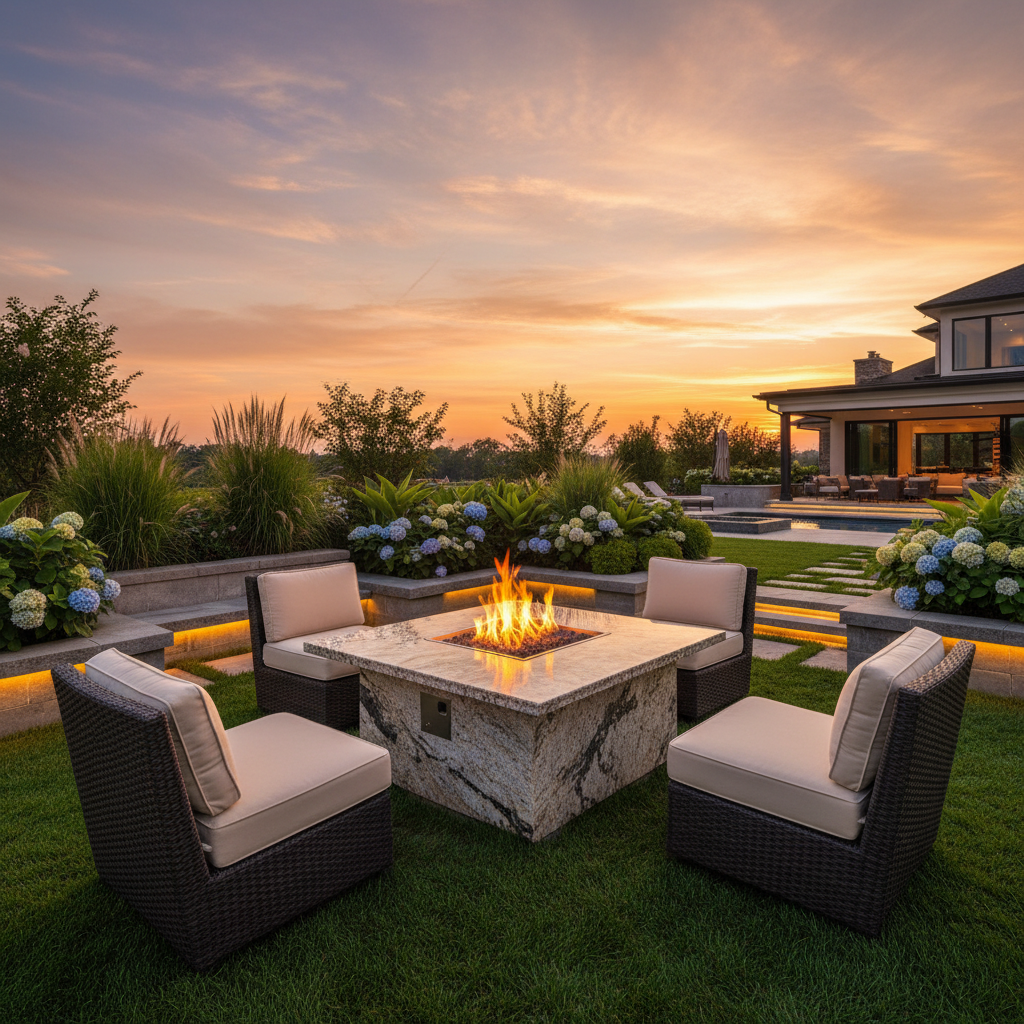
Fire Pit Tables
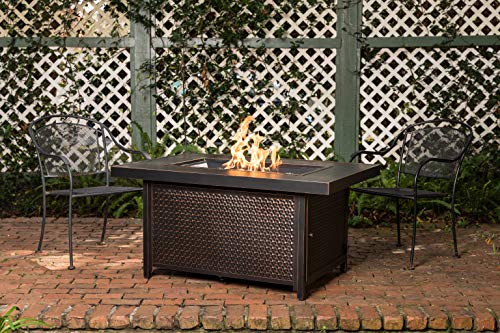
A fire pit table is the highest-utility fire feature you can put on a patio. It anchors the seating area like a coffee table, gives you somewhere to set drinks and small plates while the burner is off, and ignites at the turn of a switch when the sun goes down — no firewood, no smoke, no ash cleanup. Industry data shows fire pit tables are the fastest-growing segment in outdoor fire features, with tabletop and linear designs leading the trend.
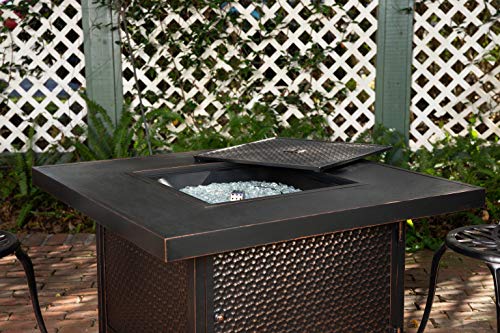
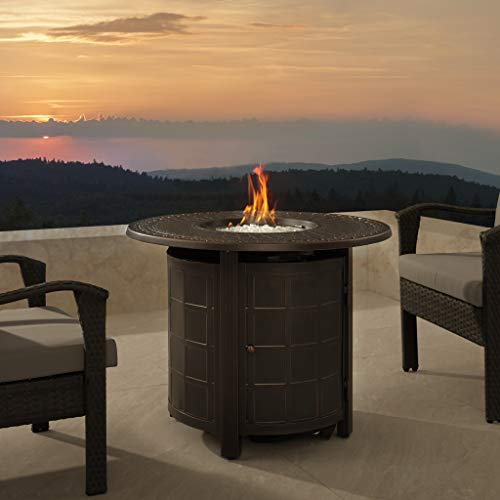
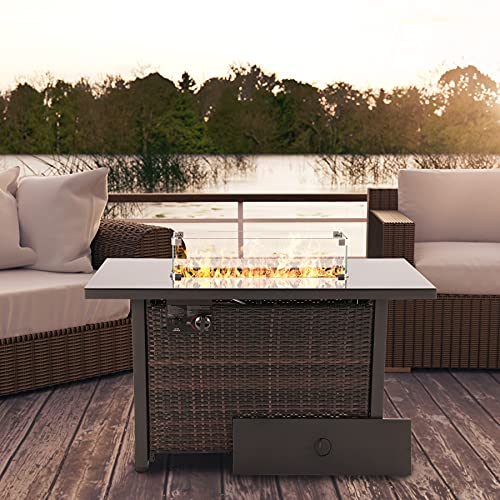
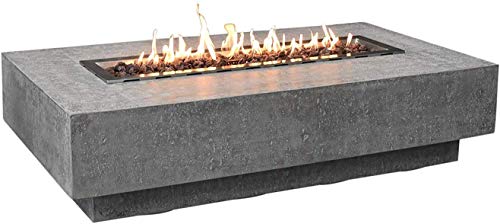
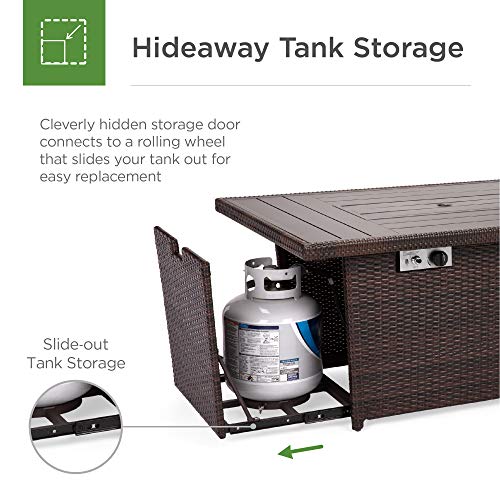
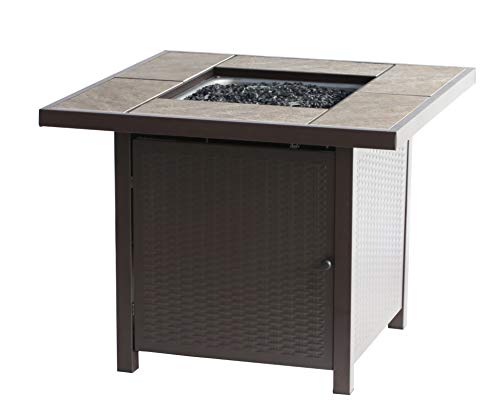
The collection here covers every common configuration: round and square chat-height tables (24–26 inches tall) for lounging, rectangular dining-height tables for entertaining, and linear designs that work as architectural focal points along a patio edge. Most run on propane with a hidden tank compartment; natural-gas conversion kits are available for hardlined installations.
We focus on tables built to last more than a single season. That means GFRC (glass-fiber reinforced concrete), cast aluminum, or powder-coated steel construction — not the thin stamped-steel models that rust through after one winter. BTU output ranges from 30,000 (cocktail-table size) to 60,000+ (large dining tables).
Need help choosing? Our 2026 Fire Pit Table Buyer's Guide compares the top models by size, fuel type, and durability.



Sale



Sale




Sale







Sale




Sold Out



Sold Out





Sold Out



Sold Out


Sold Out



Sold Out



Sold Out



Sold Out



Sale



Sold Out



Sale



Sold Out


Sold Out





Sale


Sale


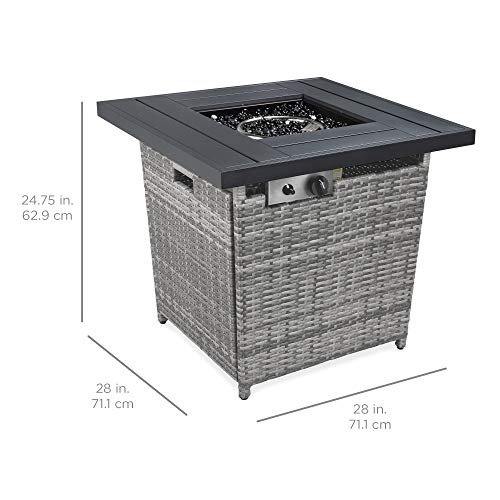


Sold Out


Sold Out


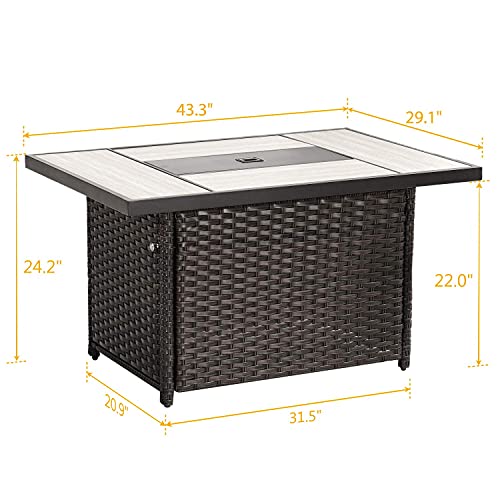

Sale


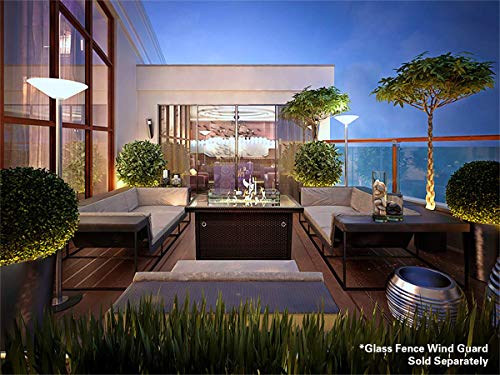

Sale


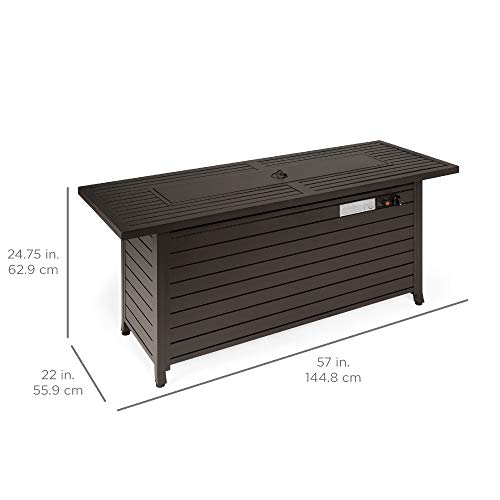

Sold Out


Sold Out





Sale



Sold Out



Sold Out





Sale
FAQ's
-
Propane is more flexible. The tank hides inside the table base and you can move the table anywhere. Natural gas requires a hardlined connection installed by a licensed plumber, but eliminates tank refills and is cheaper per hour of run time. If you're renting, on a deck, or new to fire features, start with propane.
-
For a chat-height table seating 4 people, 40,000–50,000 BTUs is the sweet spot. For larger dining tables seating 6+, look for 55,000–65,000 BTUs. Higher isn't always better — too much output on a small table creates uncomfortable radiant heat for nearby seats.
-
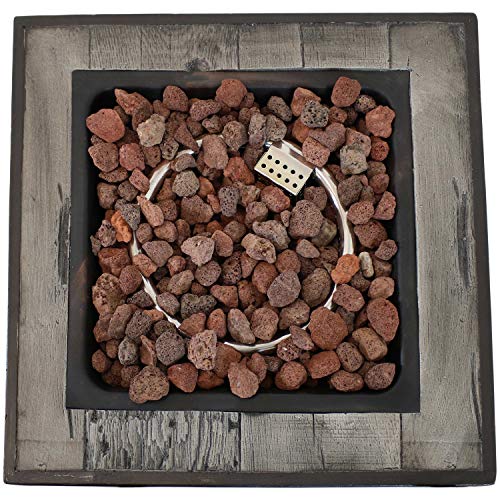
Yes — when the burner is covered with the included wind guard or burner cover, the surrounding ledge functions as a normal table surface. Most ledges are wide enough (8–12 inches) to hold drinks, appetizers, and small plates. Just don't set anything on the burner area itself; fire glass and lava rock retain heat for 20+ minutes after shutdown.
-
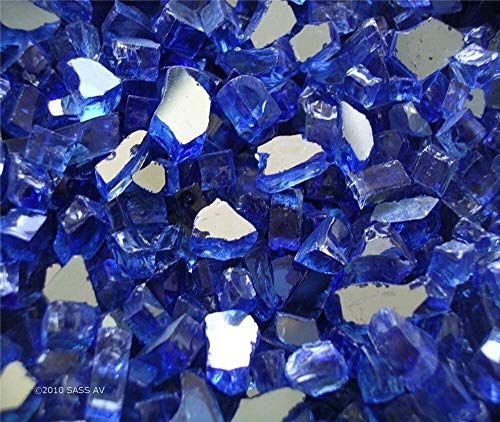
Fire glass gives the cleanest, most modern look and reflects flame light beautifully. Lava rock is traditional and the most affordable. Ceramic logs mimic a wood fire and work especially well in larger dining tables. Many of our customers mix glass and decorative logs for a layered look.
-
Quality fire pit tables are built for permanent outdoor placement, but every one we sell benefits from a fitted cover during off-seasons or heavy weather. GFRC and cast aluminum handle freeze-thaw cycles without cracking; thinner powder-coated steel needs more protection. Bring the propane tank indoors below freezing temperatures only if it'll sit unused for weeks.
-
Most modern gas fire pit tables are certified for combustible-surface installation, but check the listing for "deck-safe" or "low-clearance" ratings. The base must distribute heat evenly and provide adequate clearance underneath. Wood-burning tables are never deck-safe.
About Fire Pit Tables