
Fire Pits
A fire pit is the single most-installed outdoor living upgrade in North America, and for good reason — it extends the usable season of a backyard by three or four months, creates a natural gathering point that organizes seating, and adds measurable property value (homes with permanent fire features sell faster on average than comparable homes without them). The global fire pit market crossed $8 billion in 2025 and is still growing.
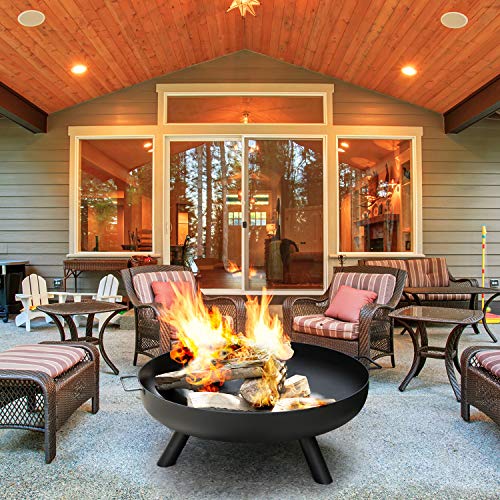
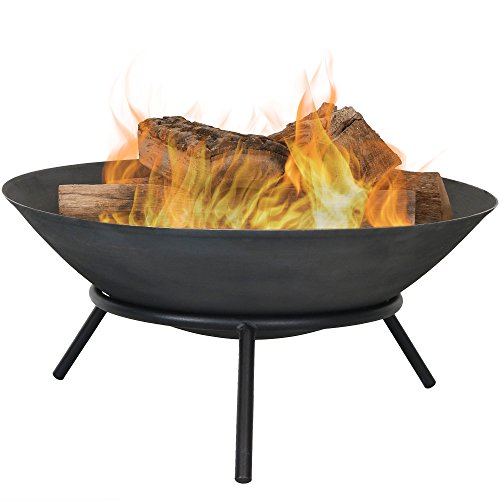
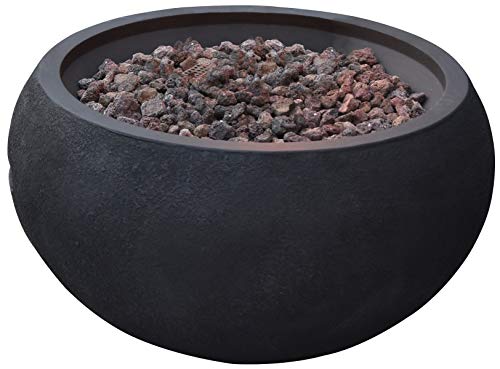
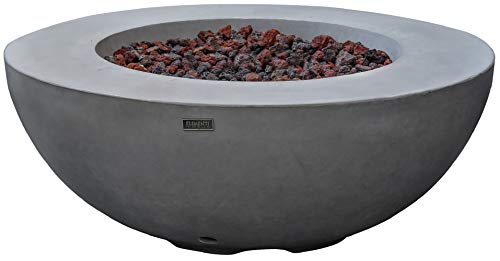
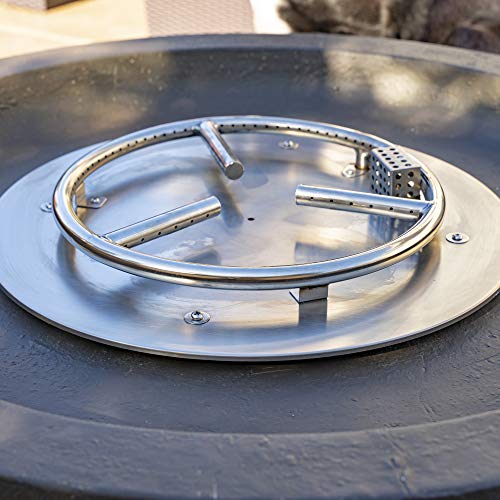
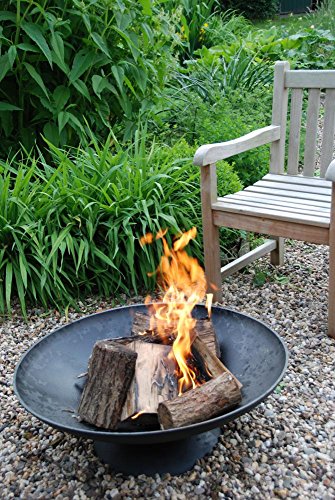
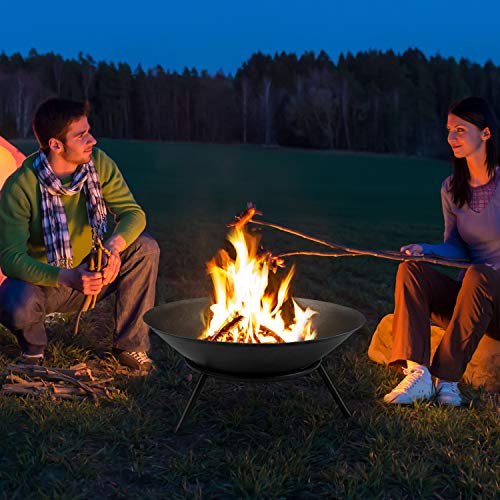
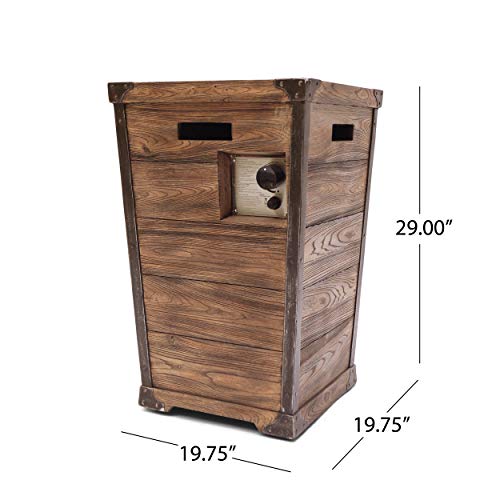
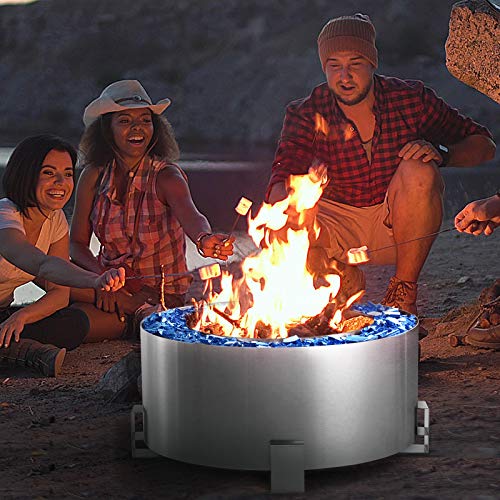
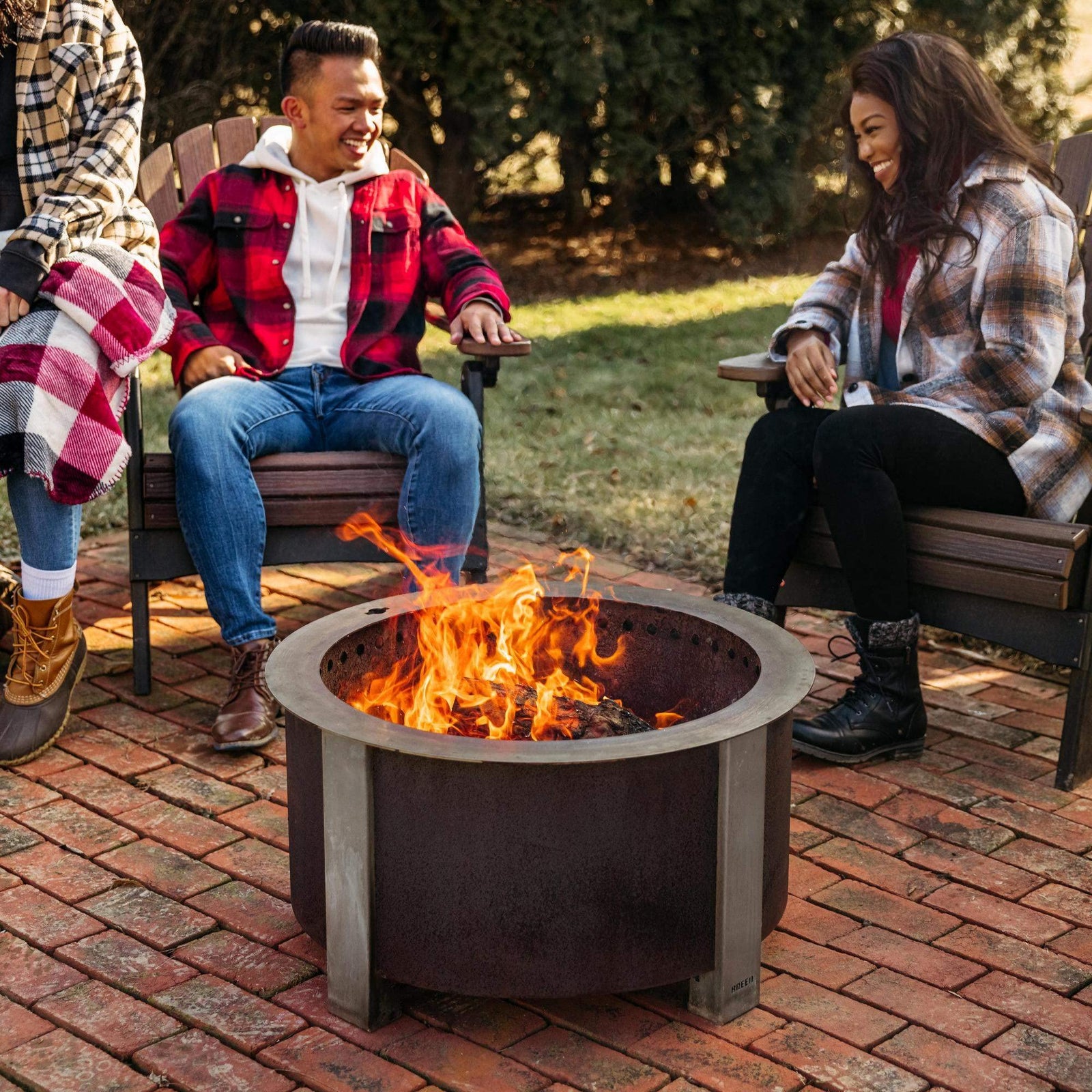
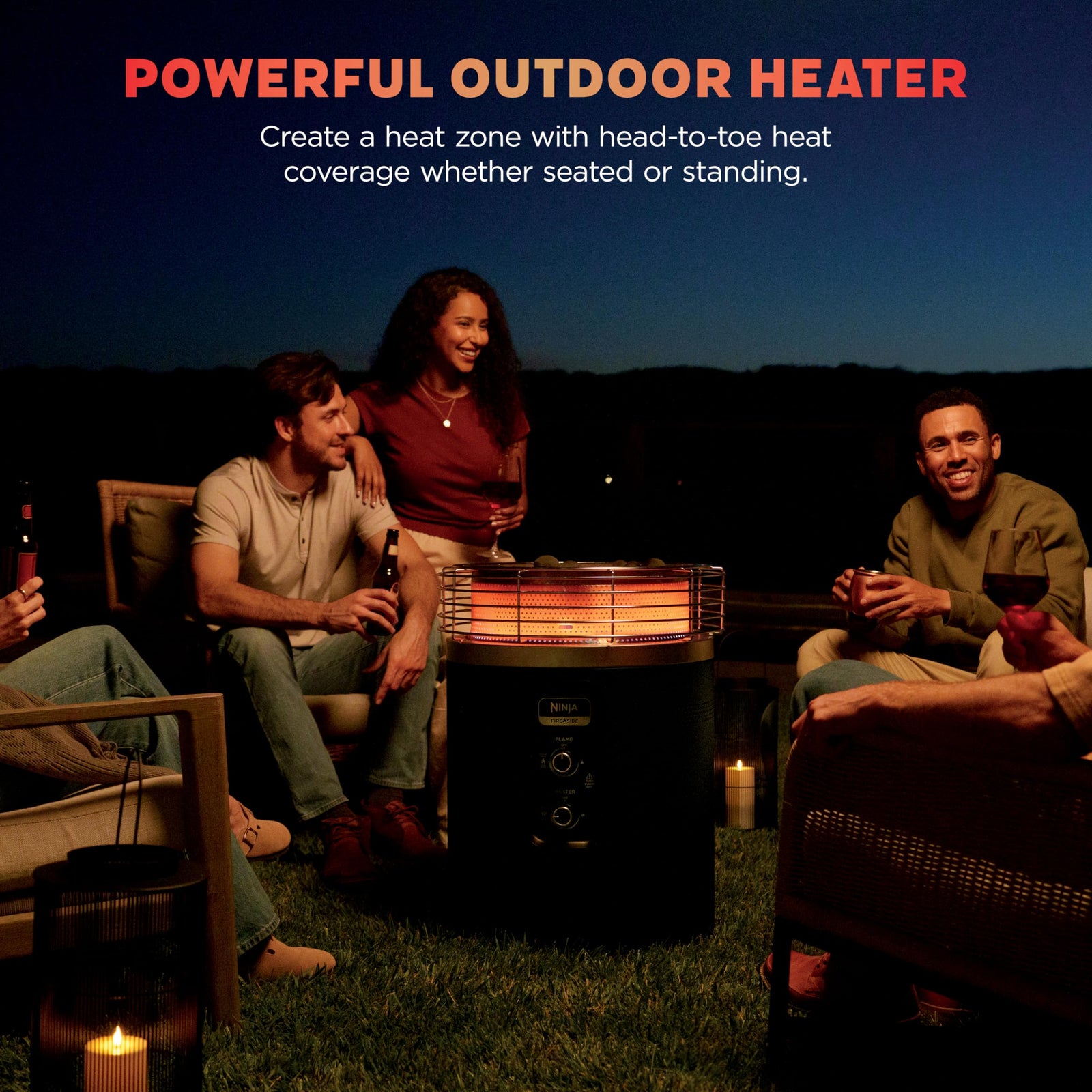
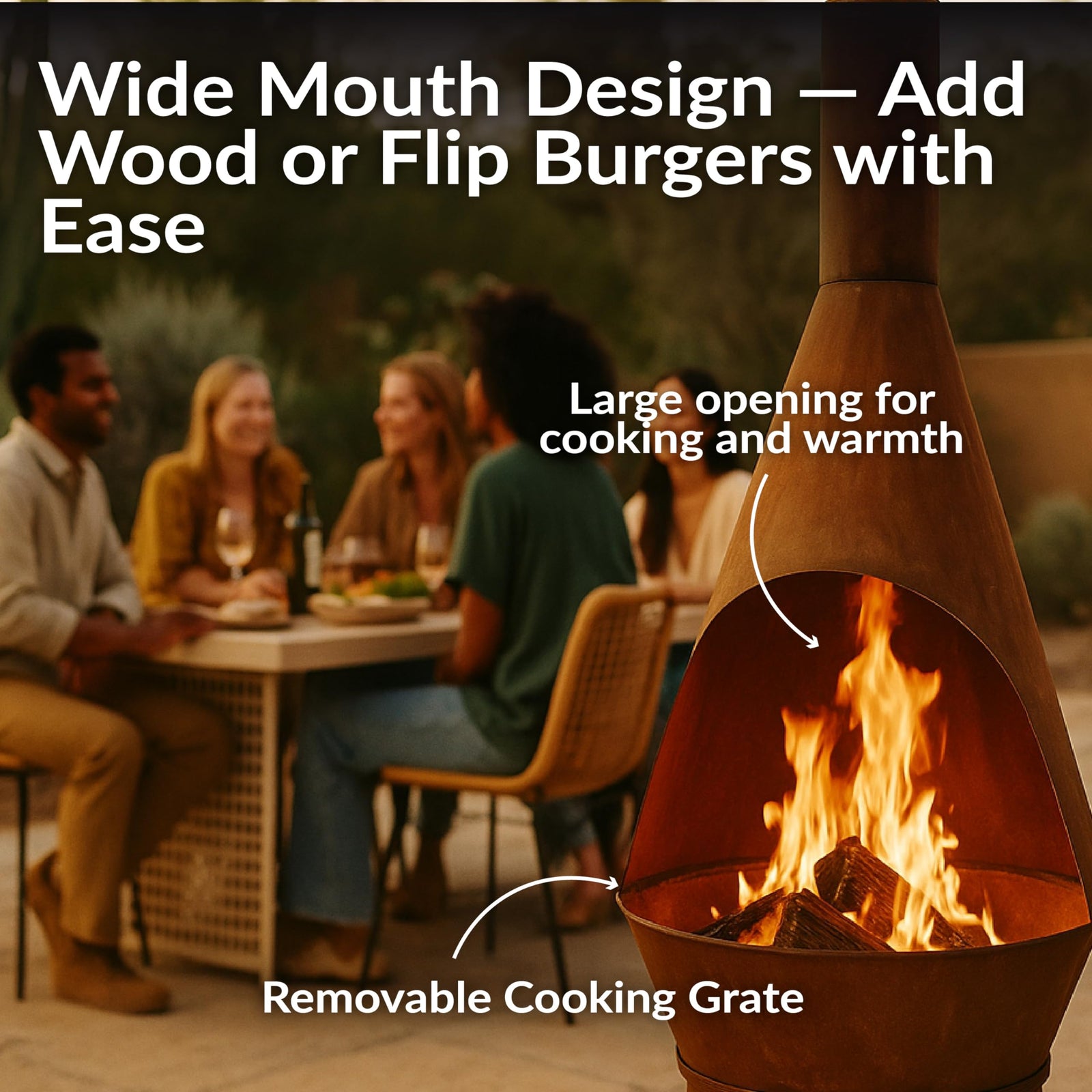
This collection covers every common configuration. Wood-burning fire pits deliver the highest heat output and the authentic campfire experience — the crackle, the smell, the radiant warmth. They need a steady supply of seasoned firewood and post-fire ash cleanup, but they're often the most affordable entry point. Gas and propane fire pits ignite at the turn of a switch with no smoke, no sparks, and adjustable flame height. They cost more upfront and burn cooler than wood, but the convenience is hard to overstate for everyday use.
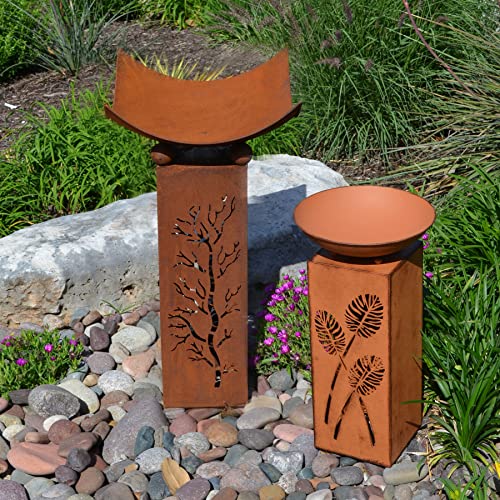
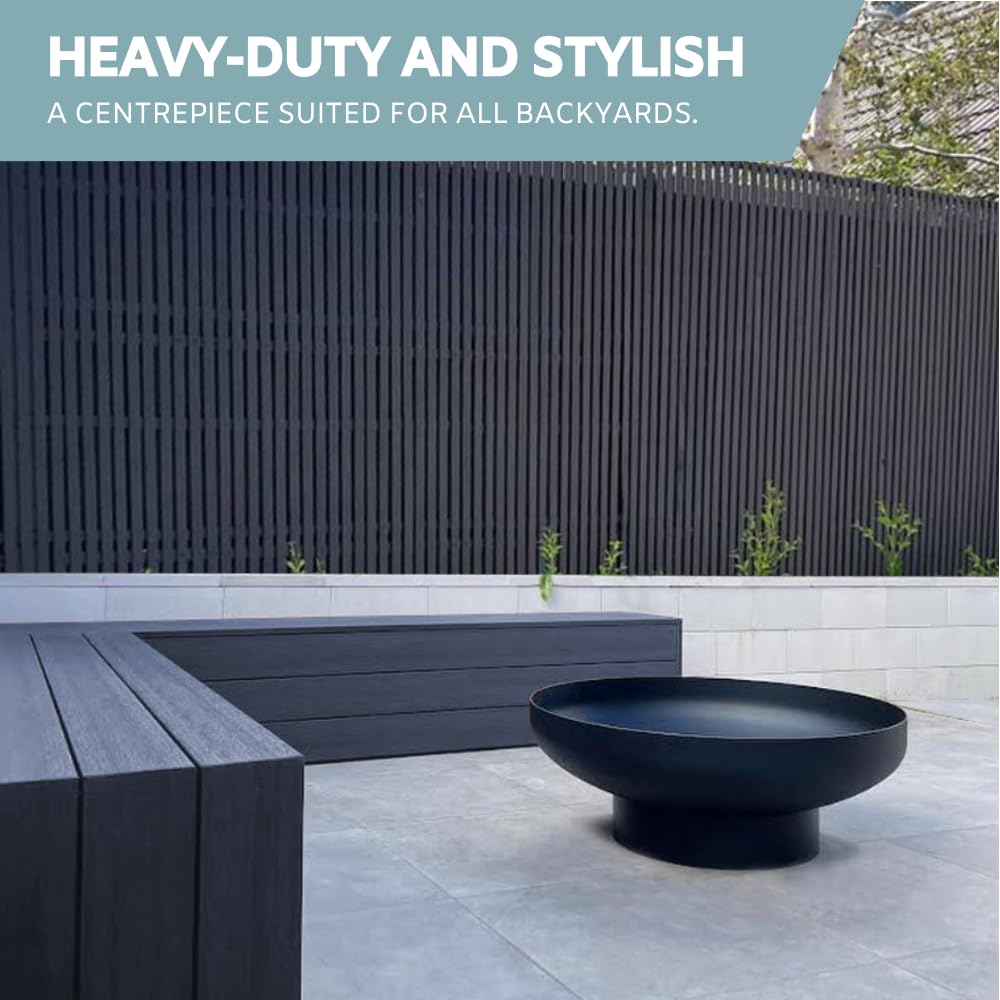
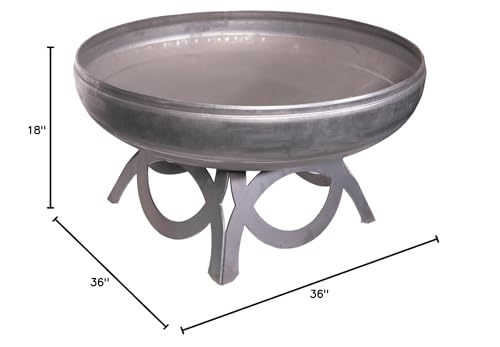
We carry fire pits in cast aluminum (rust-proof, lightweight enough to relocate seasonally), GFRC and concrete (architectural, freeze-thaw resilient, 30+ year lifespan), powder-coated steel (most affordable, requires more care), and copper (high-end, develops a beautiful living patina over time).
Need help choosing between fuel types or sizes? Read our Fire Pit Buyer's Guide for 2026 or browse fire pit tables if you want dual function as a patio surface.






Sold Out










Sold Out


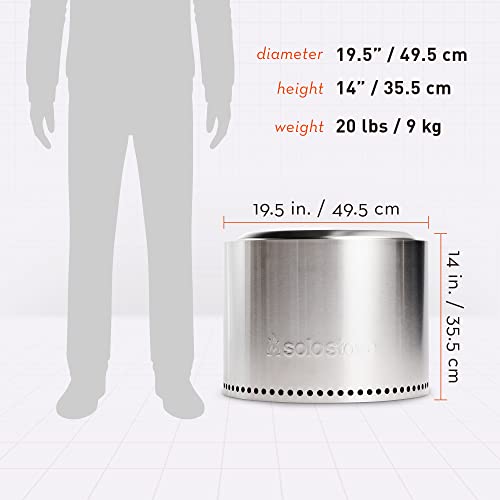

Sale


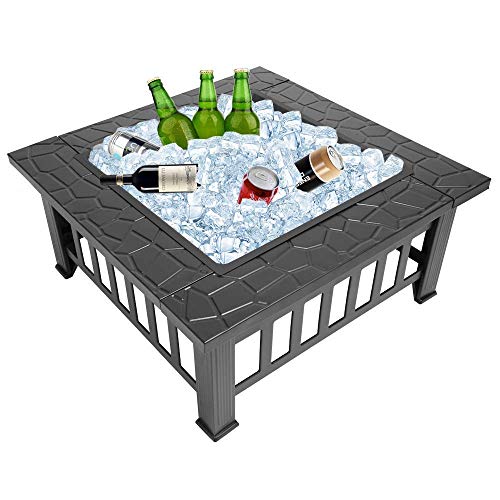

Sale


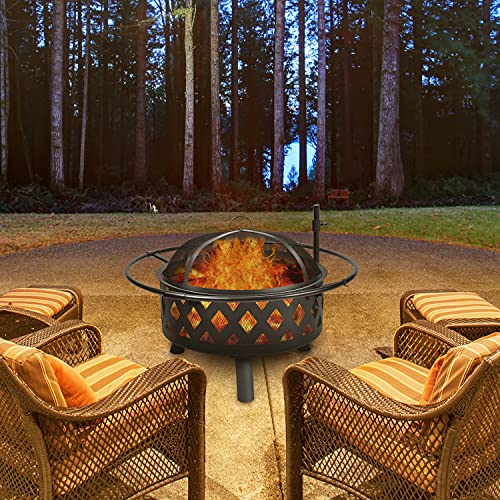

Sold Out


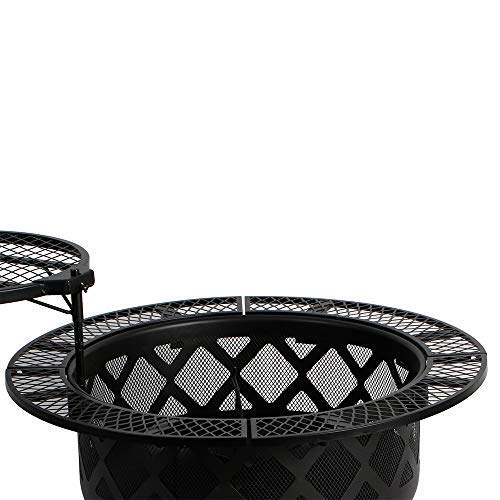

Sold Out



Sold Out









Sold Out


Sold Out



Sold Out


Sold Out



Sale


Sold Out


Sold Out


Sold Out



Sold Out






Sold Out



Sold Out




















Sold Out



Sold Out







Sale



Sale



Sale



FAQ's
-
Complete pondless waterfall kits typically range from around $700 for a 6-foot stream to $3,500+ for a 25-foot stream with LED lighting and a high-flow pump. The kit itself is the largest single expense — rock, gravel, and labor are extra if you don't DIY.
-
Most DIY installs take a single weekend (8–16 hours of work) for kits up to 16 feet. Larger streams or rocky soil can stretch installation to 2–3 weekends. The mechanical install is fast; arranging the rock and gravel naturalistically is what takes the most time.
-
In most U.S. municipalities, no — because there's no standing water deep enough to require pool fencing or pond permitting. Check your local code anyway, especially if you're running electrical for the pump or lighting. GFCI outdoor circuits are required by NEC code.
-
Pump size is determined by stream length and waterfall height. As a general rule, you need roughly 100 gallons per hour (GPH) for every inch of spillway width, plus extra capacity for vertical lift. Every kit we sell ships with a pump pre-sized for the stream length — no calculations needed on your end.
-
Yes. Because water disappears into a gravel-covered basin rather than collecting in an open pool, pondless waterfalls eliminate the drowning risk that comes with traditional ponds. The AquaBlox-style support matrix beneath the gravel is rated to hold the weight of an adult, so kids and pets can step on the feature safely.
-
Not directly — the basin holds too little water and is filled with gravel. However, you can convert a pondless waterfall into a traditional pond by excavating an upstream or downstream pool, adding a skimmer and biological filter, and connecting it to the existing waterfall plumbing. Many of our customers start pondless and expand later.
-
In freeze-prone climates, remove the pump in late fall, drain the lines, and store the pump submerged in a bucket of water in a heated space (not dry — pump seals can crack). The basin and spillway can stay in place year-round. In spring, reinstall the pump, top off the water, and you're running again in 15 minutes.
About Fire Pits

