DIY Fire Pit Burner Kits
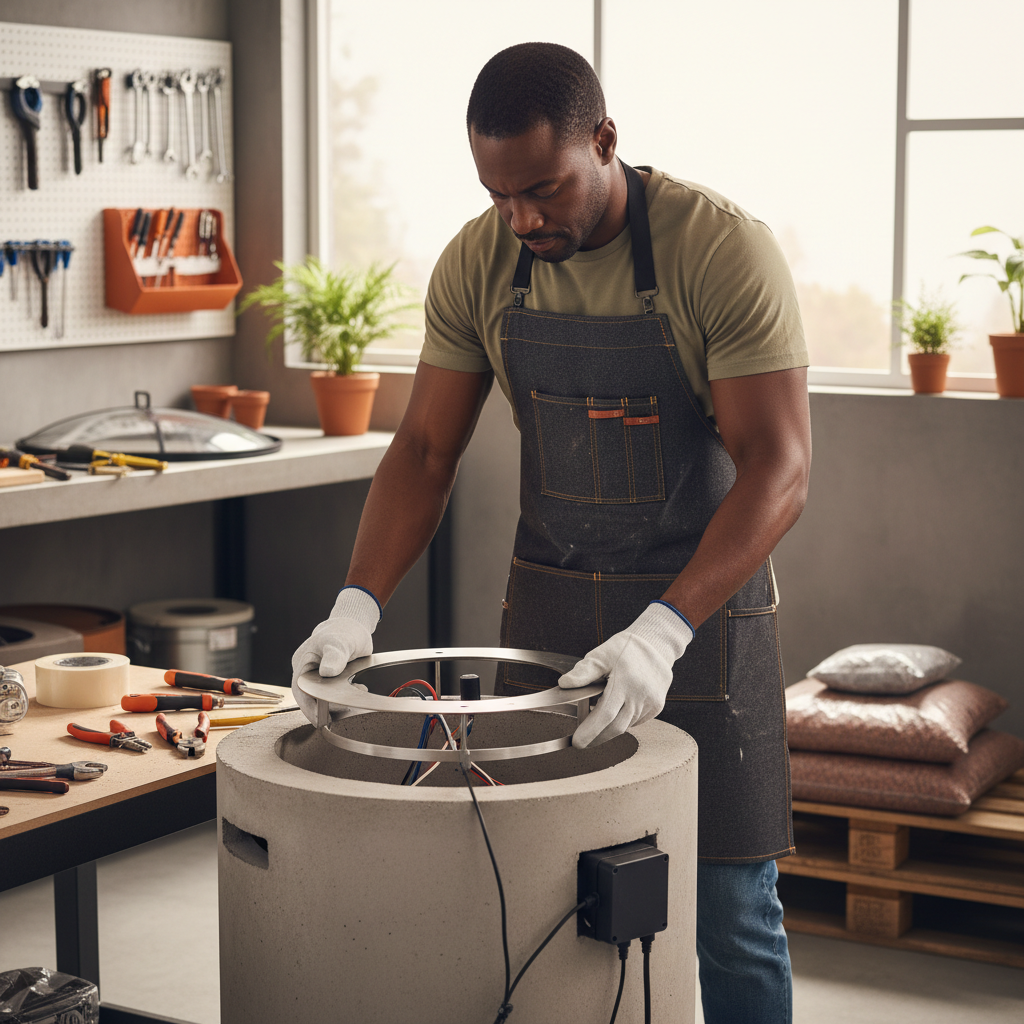
A DIY fire pit kit gives you the working internals of a gas fire pit — burner, pan, ignition system, gas valve, key valve, and all fittings — without the decorative enclosure. You build the surround yourself out of stone, concrete block, brick, or custom metal, then drop the kit in. The result: a custom fire pit at a fraction of what a fully built unit would cost, and one that matches your patio's existing materials exactly.
This collection breaks down by ignition system, because that's the biggest decision you'll make. Match-light kits are the simplest and most affordable — turn the key valve, light with a long lighter or match. Spark ignition kits add a push-button piezoelectric igniter, no electricity required. Electronic ignition kits are the premium tier: push-button startup, automatic safety shutoff, and (on higher-end models) remote control via fob or smartphone. CSA-certified kits meet code requirements in jurisdictions that require listed appliances — important if you're permitting or selling the property later.
We carry kits from HPC (Hearth Products Controls), American Fireglass, and Warming Trends — the brands professional fabricators specify. Burner sizes range from 12-inch round (small tabletop builds) up to 60+ inch linear (large outdoor installations).
If you're new to gas-fire installs, our DIY Fire Pit Kit Buyer's Guide explains exactly what each ignition type does and which one fits your project.
Most fire pit kits come equipped with a 100% stainless steel fire pit pan, a 304-grade stainless steel fire pit burner, and all the accessories your customers will need to complete their awesome fire glass display.
Complete fire pit installation kits are also available for each type of fire pit kit.



Sale



Sold Out
FAQ's
-
Match-light is manual — open the gas valve with a key, then light it with a long-reach lighter or match. Spark ignition adds a push-button piezoelectric spark (no batteries or wiring required) that ignites the gas for you. Electronic ignition uses a 24V or 110V circuit to spark the gas and includes safety features like flame-failure shutoff, which automatically cuts gas if the flame goes out.
-
If you're pulling a permit, having the work inspected, or installing in a jurisdiction with strict code enforcement (most of California, parts of the Northeast), yes — CSA certification is often required. For unpermitted backyard installs in code-relaxed areas, non-certified kits are widely used. Always check local code; non-compliance can affect insurance and resale.
-
You provide the enclosure (stone, block, concrete, or metal), the fuel source (propane tank or natural-gas line), the fire media (glass, rock, or logs), and any decorative accessories like a wind guard or burner cover. Most kits include everything from the burner pan inward, plus the key valve and fittings to connect to your supply line.
-
Most burner kits ship configured for one fuel type but include a conversion orifice for the other. Switching is straightforward (replace the orifice, adjust the regulator) but should be done by someone who understands gas systems. If you're undecided, propane is the more flexible starting point — you can run from a portable tank and convert to natural gas later when you trench in a hardline.
-
General rule: the burner pan should be at least 6 inches smaller than the inside dimension of your enclosure on every side, to allow proper airflow and clearance from combustible materials. A 24-inch round opening fits a 12–18 inch burner. Oversized burners are the most common DIY mistake — they look great until the flames lick against the surround stone and discolor it.
-
The mechanical install — connecting fittings, mounting the burner pan, running the gas line stub — is straightforward for anyone comfortable with basic plumbing. The gas-supply connection is the part to take seriously: leaks at this junction are the leading cause of fire pit accidents. Test every joint with soapy water before lighting. If you've never worked with gas lines, hire a licensed gas fitter for the final hookup; the rest you can DIY.
-
Probably yes for the gas line if you're hardlining to natural gas, and possibly for the fire pit structure itself depending on your municipality. Portable propane installations are usually unregulated. When in doubt, call your local building department — a 5-minute phone call beats a stop-work order.
About DIY Fire Pit kit