
Build A Pondless Waterfall
A pondless waterfall is the most-requested water feature we sell, and it's also the one homeowners most often get wrong.
The mistake is almost always the same: buying parts piecemeal — a pump from one place, a spillway from another, a liner from a third — and finding out two weekends into the build that nothing quite fits.
This guide walks you through the project the way professional installers actually approach it: size first, components second, install third.
Plan for one weekend if your stream is short, two weekends if it's long, and zero return trips to the store.
⏱️
Time
1–2 weekends
💰
Budget
$700–$3,800
🛠️
Skill
Beginner–Intermediate
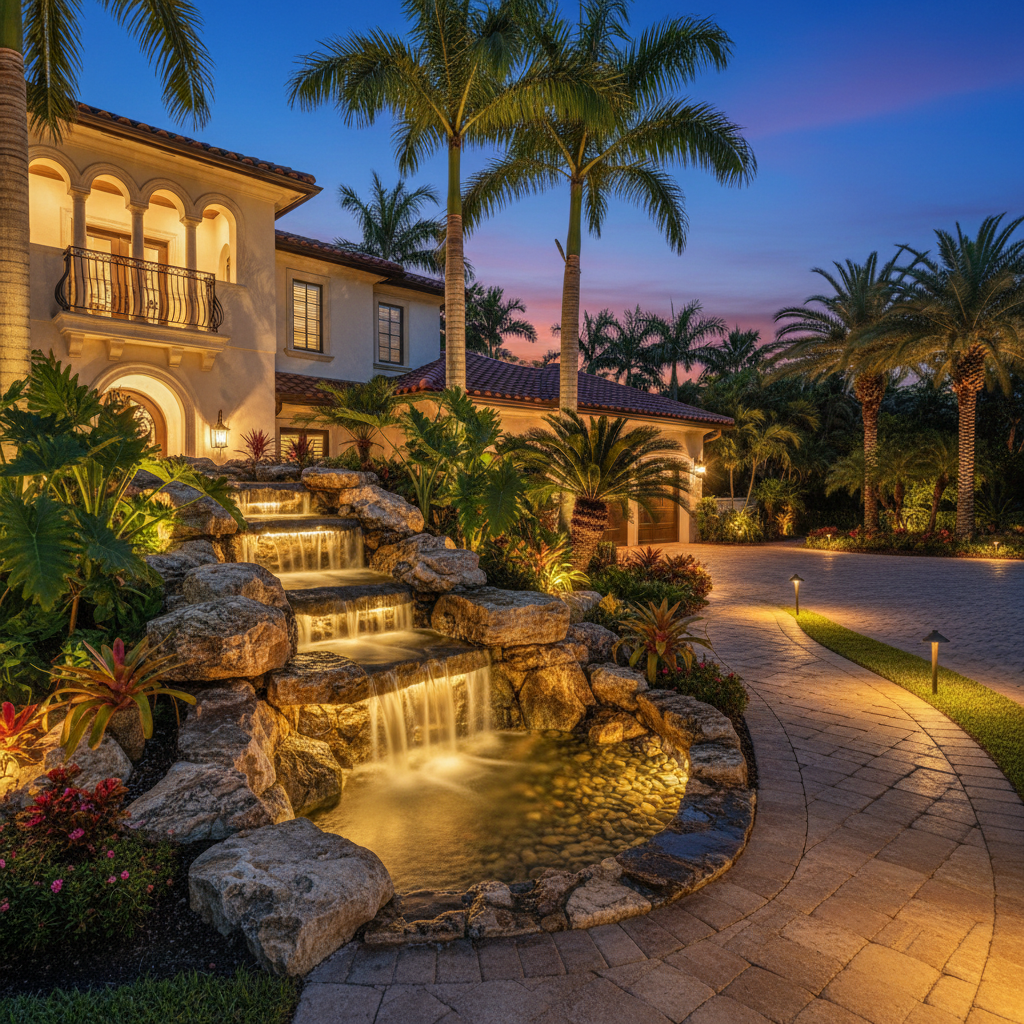

What You'll Build
A pondless waterfall is a recirculating water feature where water cascades down a stream bed and disappears into a hidden underground reservoir. No standing water, no fish, no pond maintenance — just the sight and sound of moving water, on demand.
The system runs continuously on a submersible pump, uses about $7–$12/month in electricity, and needs maybe 30 minutes of upkeep per month.
The finished feature works year-round (or seasonally in freeze climates), looks naturalistic when finished with rock and plants, and is safe enough that small children and pets can walk on the gravel basin without risk.
Step 1 - Choose Your Kit Size
The first decision is whether you're buying a pre-built unit or building a custom enclosure. Be honest with yourself about time, budget, and how important a custom fit is. A great pre-built fire pit will outperform a mediocre DIY build every time.


Sale


Sale


Sale
Step 2 - Add A Backup Pump (optional but recommended)
Every kit ships with a sized pump, but pumps are the single component most likely to fail in years 5–10.
Keeping a spare on the shelf means a 10-minute swap instead of a two-week shipping wait. Pick a pump matched to your kit size.


Sale


Sale


Step 3 - Plan your rock and basin finish
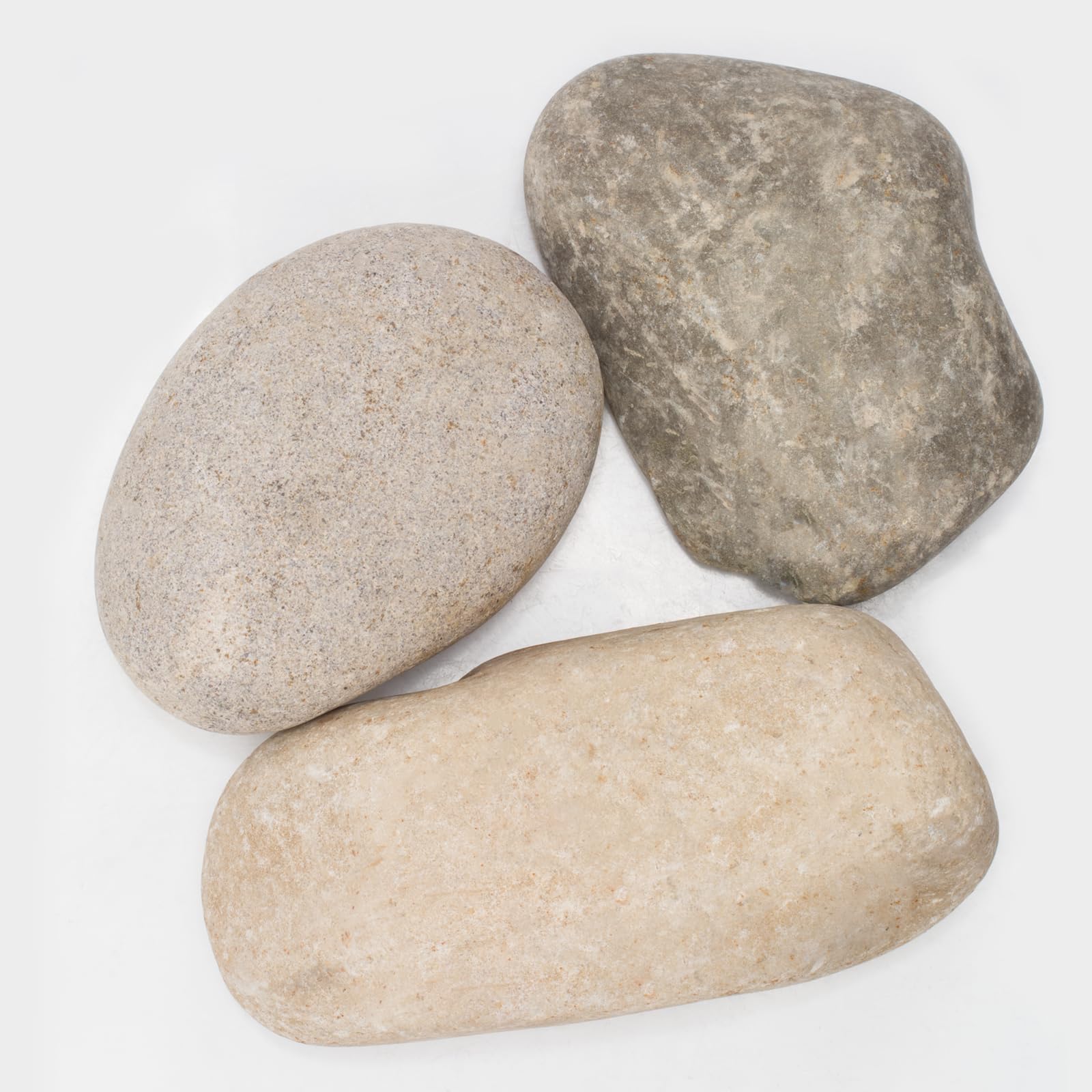
The basin matrix and pump vault ship with your kit; what's not included is the rock and gravel that goes over the basin and along the stream bed.
This is the largest physical material expense of the project.
Source locally from a landscape supply yard.(shipping rock is prohibitively expensive)
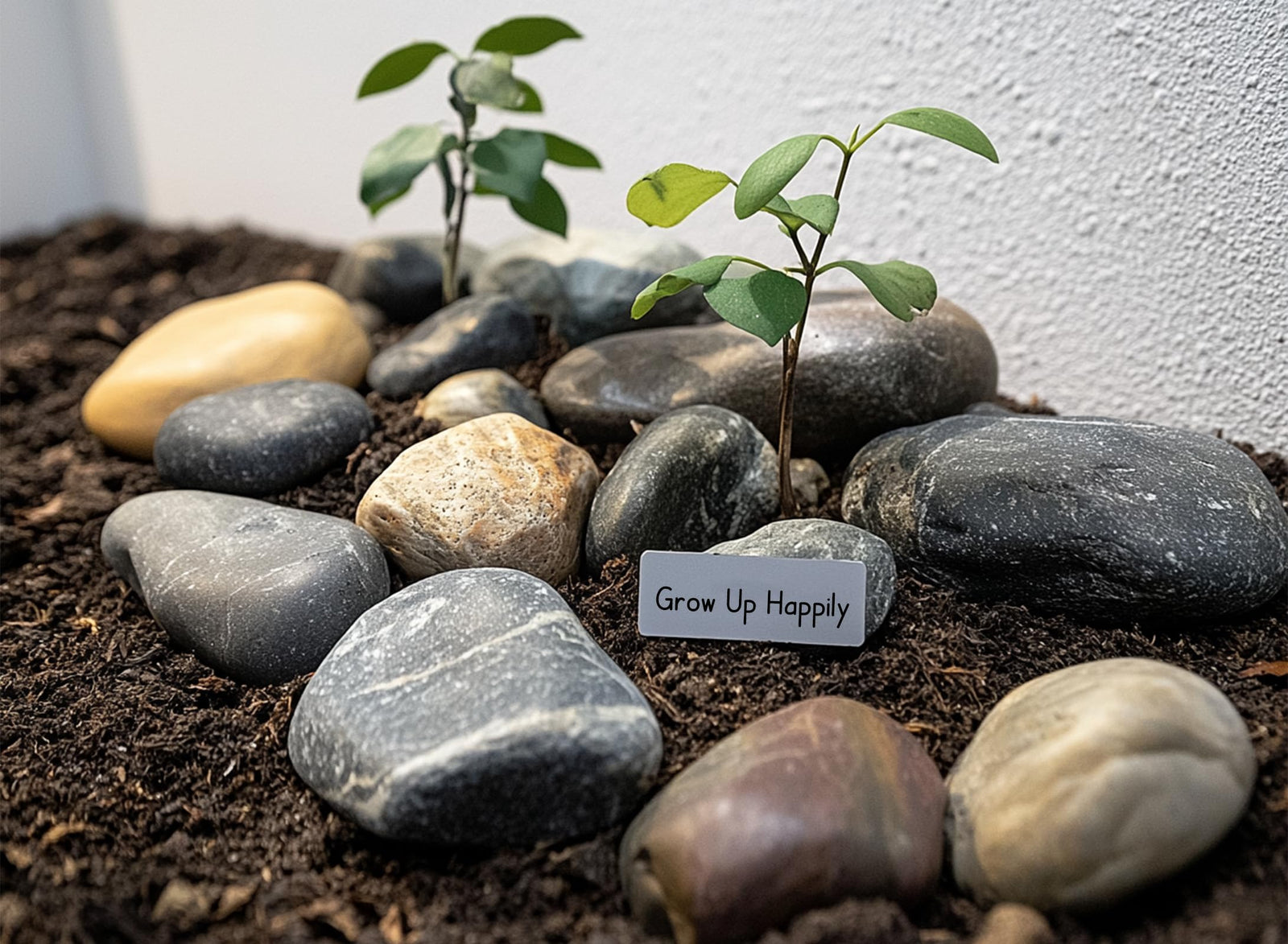
Also, there are some decorative accent stones that can be found through our links to Amazon.



Sale
Step 4 - Add Lighting and finishing touches
Lighting transforms a pondless waterfall from a daytime feature into an evening focal point.
Plan the lighting before you bury the basin — running conduit later is brutal.
Most installations use 3–5 fixtures: one or two underwater lights inside the basin (uplighting the water as it falls), one spotlight on the spillway, and 1–2 accent lights on surrounding rocks or plants.


Sale


Sale
FAQ's
-
Plan for $1,000–$2,500 for a typical 6–16 foot stream, all-in. The kit itself is the largest expense ($700–$2,200), rock and gravel run $200–$500 depending on yard access, and lighting adds $150–$400. Doing the install yourself saves the professional install fee, which is typically $2,000–$5,000.
-
Yes — kit manufacturers design pondless waterfalls specifically for the homeowner market. The mechanical install is straightforward; the artistry is in how you place the rock at the end. Watch a few YouTube walkthroughs (Aquascape's are excellent) before you start.
-
Definitely. The 3-foot DIY Backyard kit fits in spaces as small as 4 ft x 6 ft. Even apartment patios with dedicated ground space can accommodate it. The 6-foot Small kit is the most popular size for standard suburban yards.
-
In most U.S. municipalities, no — because there's no standing water requiring pool fencing. Verify with your local building department, especially for the GFCI electrical work that powers the pump.
-
In freezing climates, drain the supply line, pull the pump, and store it submerged in a bucket of water indoors. The basin and liner stay in place. In spring, reinstall the pump, top off water, and you're running in 15 minutes.
-
Yes. Excavate a downstream basin, add a skimmer and biological filter, connect to the existing plumbing. Most kit components transfer over. Budget an additional $1,200–$2,500.